

Scar & Stretch Mark Camouflage in Vancouver
Scar and stretch mark camouflage in Vancouver is a specialized paramedical tattoo technique designed to soften the appearance of fully healed scars and stretch marks by blending custom-matched pigment into the surrounding skin. This treatment reduces contrast rather than texture, with results that develop gradually over multiple sessions.
Each treatment is approached conservatively, with skin health and long-term results as the priority. Services are provided in a private, one-on-one studio setting with an emphasis on safety, realistic expectations, and thoughtful care.
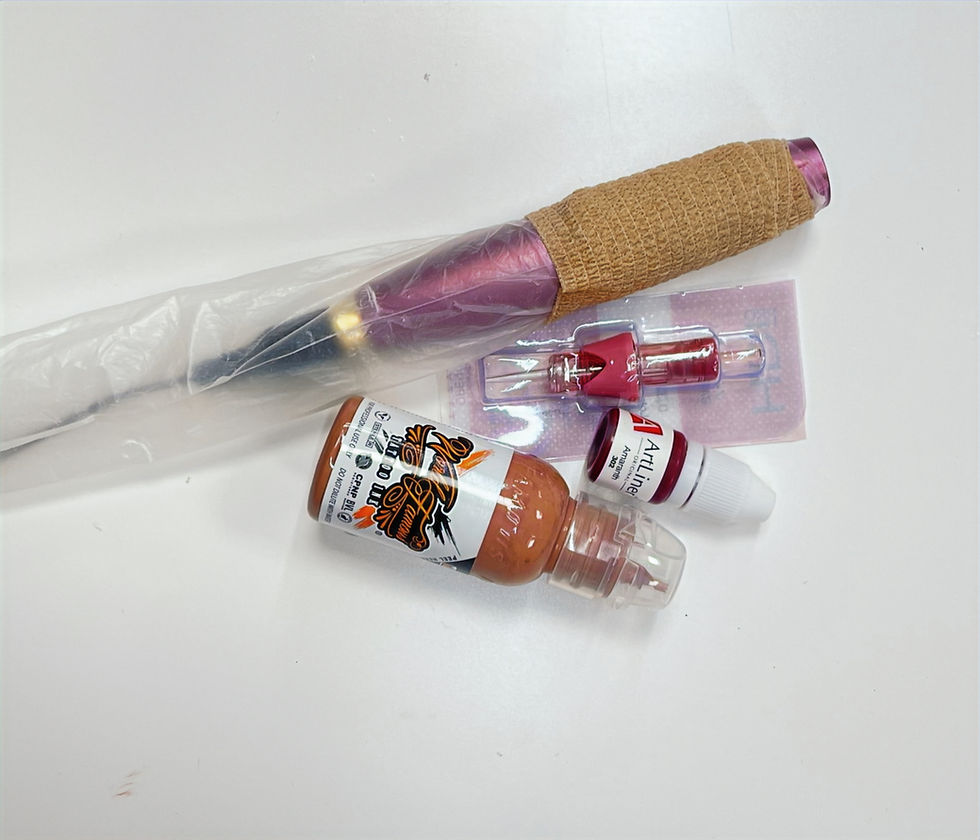
How Does Paramedical Tattooing Help with Scar Camouflage?
Paramedical tattooing helps with scar camouflage by carefully implanting custom-matched pigment into fully healed scars to reduce the contrast between the scar and the surrounding skin. Rather than removing the scar, the treatment softens its appearance so it blends more naturally over time. Results develop gradually through multiple sessions and are tailored to each client's skin tone, scar maturity, and healing response.
Unlike cosmetic tattooing, paramedical tattooing focuses on restoring visual harmony by reducing colour contrast rather than changing the texture of the skin or removing the scar itself.
This treatment is commonly used for:
-
surgical scars
-
injury-related scars
-
stretch marks from pregnancy or weight change
-
post-procedure scars
-
areas of uneven pigmentation
Each treatment plan is customized according to skin tone, scar type, texture, maturity, and healing history. Depending on the condition of the skin, inkless skin revision may be considered as an alternative or preparatory treatment. For reconstructive cases, areola tattooing or neutralization may also be discussed during the consultation.


Scar Camouflage
Scar camouflage focuses on reducing the visibility of scars by carefully matching pigment to the surrounding skin tone. This paramedical tattoo technique is commonly used for surgical scars such as tummy tuck, breast surgery, and C-section scars, as well as injury-related scars, healed burns, and stable, healed self-harm scars. For best results, scars must be fully healed, flat or mostly flat, and lighter than the surrounding skin. Raised, keloid, or actively healing scars are not suitable for this treatment.
Stretch Mark Camouflage
Stretch mark camouflage works by softening the contrast between stretch marks and the surrounding skin, helping them appear less noticeable over time. This treatment is most effective on mature, light-colored stretch marks in areas with stable skin tone and fully healed skin. Stretch marks that are still red, purple, or inflamed must be allowed to fully mature before treatment can be considered. A consultation is required to assess maturity, skin tone stability, and treatment suitability.
Treatment and Suitability Process
Who Is a Good Candidate?
Scar and stretch-mark camouflage is best suited to fully healed, stable skin. You may be a suitable candidate if you:
-
have healed, stable scars or stretch marks
-
are seeking a non-surgical option
-
have realistic expectations
-
are committed to proper aftercare
-
understand that results improve gradually
Who This Treatment Is Not Suitable For
Not all scars and stretch marks are appropriate for camouflage.
This treatment may not be suitable if you have:
-
Raised or keloid scars
-
Scars that are not fully healed or still changing
-
Inflamed, irritated, or compromised skin
-
Scars with significant texture or colour differences that may not be suitable for pigment camouflage
-
Expectations of complete removal rather than improvement
A paramedical tattoo consultation is required to assess skin readiness, colour stability, and overall treatment suitability before proceeding.
What to Expect During Treatment
Consultation
Your treatment begins with a detailed consultation, available online or in person, where we assess:
-
Skin tone and undertones
-
Scar or stretch-mark condition and maturity
-
Treatment suitability
-
Estimated number of sessions required
Treatment Sessions
Each session is carefully customized and may include:
-
Custom pigment blending
-
Gentle, controlled application
-
Gradual layering for natural-looking results
-
Sessions spaced apart to allow proper healing
-
The number of sessions varies depending on the treatment area, pigment retention, healing response, and desired level of blending
Treatment is performed gradually, allowing the skin to heal and the pigment to settle between sessions.
Healing & Results
-
Initial surface healing typically occurs over approximately 10–14 days, although individual healing times vary.
-
Pigment colour may appear different during healing and can take approximately 6–8 weeks to fully settle.
-
Results develop gradually as the skin heals and the colour stabilizes
-
Additional sessions may be recommended depending on pigment retention, healing response, and the level of blending achieved.
The goal is to reduce colour contrast and improve the overall appearance—not remove texture or completely erase the scar or stretch mark. Healing timelines and results vary according to skin type, scar maturity, treatment area and aftercare.
Frequently Asked Questions
The number of sessions varies depending on the treatment area, skin characteristics, pigment retention, and healing response. Your treatment plan will be discussed during your consultation and adjusted based on how the area heals.
How many sessions will I need?
No. Camouflage focuses on reducing visible colour contrast between the scar or stretch mark and the surrounding skin. It does not remove texture or completely erase the mark.
Will the scars or stretch marks disappear?
Can scar and stretch mark camouflage fade over time?
Yes. Pigment can gradually fade or shift over time. How long results remain visible varies depending on the treatment area, individual skin characteristics, healing response, lifestyle factors, and pigment retention. Maintenance may be considered if the colour difference becomes more noticeable again.
Results can be long-lasting, but pigment may gradually fade or shift over time. Longevity varies depending on individual skin characteristics, healing response, lifestyle factors, and the treatment area. Maintenance sessions may be considered when needed.
Is the treatment permanent?
Does it hurt?
Sensitivity varies by individual and treatment area. Some clients experience mild to moderate discomfort during the procedure. Comfort options can be discussed during your consultation.
Aftercare
Proper aftercare is essential to support healing and pigment stability:
-
Keep the area clean and dry during initial healing
-
Avoid sun exposure and swimming
-
Follow all provided aftercare instructions
-
Allow full healing between sessions
Detailed aftercare guidance will be provided after each appointment.
Pricing
Pricing varies depending on:
-
size of the area
-
complexity
-
number of sessions required
Ready for Paramedical Tattoo?
 From 400 Canadian dollars
 50 Canadian dollars
Each treatment is customized based on skin tone, scar maturity, and healing history. Final pricing depends on the size of the area, pigment complexity, and the number of sessions required.